
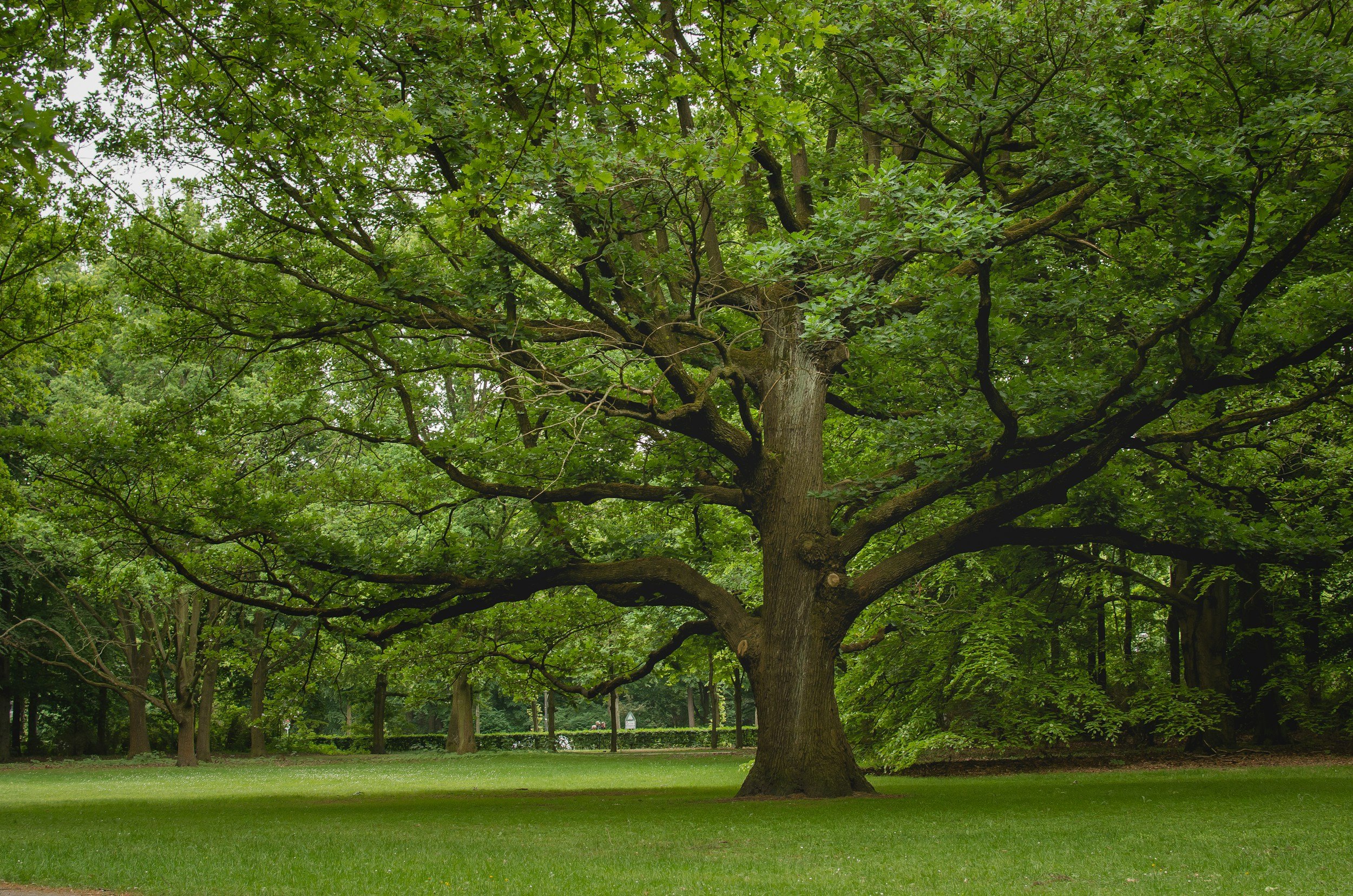
Veteran Tree Management
Veteran trees are ancient, majestic, and irreplaceable parts of our South East England landscape. These living monuments require specialised, sensitive care to ensure their safety, extend their lifespan, and preserve the rich ecosystems they support.
Our Veteran Tree Services
We offer comprehensive, ecology-first arboricultural management tailored specifically to ancient and veteran trees across South East England.
-
Detailed Condition Auditing: Comprehensive evaluations assessing structural stability, canopy decay, fungal activity, and overall health.
Specialised Risk Management: Non-invasive structural assessments to balance public safety with tree preservation, minimising unnecessary pruning.
Soil & Root Zone Diagnostics: Soil compaction testing, mycorrhizal fungus evaluations, and root zone health mapping.
-
Retrenchment Pruning: Phased, long-term canopy reductions that mimic natural ageing processes, reducing crown weight and leverage without shocking the tree.
Natural Fracturing Techniques: Specialised pruning that creates natural-looking tear-outs and stub ends to promote natural saproxylic habitat formation.
Proactive Crown Support: Dynamic and non-invasive cable bracing to stabilise large, heavy limbs prone to failure.
-
Air-Spade Soil Decompaction: Gentle excavation around root zones to relieve soil compaction caused by foot traffic, machinery, or livestock.
Mulching & Soil Conditioning: Application of woodchip, composted bark, and organic soil improvers to boost soil biota and mycorrhizal networks.
Halo Thinning: Careful removal of competing scrub or younger adjacent trees to improve light levels without exposing the veteran tree to sudden wind stress.
-
Veteraning Existing Trees: Accelerating habitat creation on younger trees to ensure continuity of decaying wood habitats across estates.
Veteran Tree Management Plans: 5 to 10-year tailored management plans for private estates, parklands, and local authorities.
Saproxylic Habitat Protection: Preserving standing deadwood, hollow trunks, bark fissures, and rot holes critical for rare insects, bats, and fungi.
Understanding Veteran & Ancient Trees: Essential Information
What Makes a Tree "Veteran"?
A veteran tree is defined by its age, size, and particularly its decay features. While all ancient trees are veterans, not all veteran trees are ancient. A younger tree can be considered a veteran if it has developed key habitat features through stress, damage, or environment.
Key Veteran Features Include:
Hollow trunks and major limb cavities
Sap runs, bark fissures, and decay pockets
Presence of rare fungi (such as Beefsteak or Chicken of the Woods)
Flaking bark and heartwood decay
Supporting populations of bats, nesting birds, and saproxylic (deadwood-dependent) invertebrates
Why Are Veteran Trees So Important in South East England?
South East England holds some of Europe's highest concentrations of ancient and veteran trees, particularly in historic parklands, ancient woodlands, wood-pastures, and hedgerows. These trees act as biodiversity hotspots, supporting hundreds of species, many of which rely entirely on decaying heartwood and cannot survive elsewhere.
Essential Care Guidelines for Landowners
-
Keep heavy machinery, vehicles, livestock, and high foot traffic away from the tree’s Root Protection Area (RPA), which often extends well beyond the drip line of the canopy.
-
Deadwood is vital life support, not waste. Retain fallen branches near the tree base wherever safe to do so.
-
Large, drastic cuts expose old trees to severe decay and stress. Management should always be phased over several years.
-
Keep fertilisers, herbicides, and pesticides well away from the root zone to protect vital mycorrhizal soil fungi.
-
Many veteran trees are protected by TPOs or located within Conservation Areas. Always verify legal protections before carrying out any works. Aztech can help with this!